CRS Central Logo
English
ภาษาไทย
中文
العربية
Tiếng Việt
ភាសាខ្មែរ

That Luang Temple in Vientiane, Laos at golden hour

Malaysia Market Expertise

Bringing Structured Revenue Management to a Market in Fast Growth

Malaysia's hospitality sector has entered a defining year. With Visit Malaysia Year 2026 targeting 47 million visitors and RM329 billion in tourism receipts, and a growing medical tourism push centered on Kuala Lumpur, Penang, and Melaka, demand across the country is accelerating fast. As of late 2025, Malaysia counted over 3,600 hotels and nearly 300,000 rooms — and Kuala Lumpur's hotel stock alone is forecast to grow another 9% in the next three years.

That growth is a double-edged sword for independent hotels. More visitors and more government-backed promotion mean more demand — but also more new supply, more competition, and sharper swings between festival-driven peaks (Penang has seen 90%+ occupancy around Chinese New Year) and quieter shoulder periods. Hotels without a structured pricing response are leaving money on the table in both directions.

Why Malaysian Hotels Need Revenue Management Now

  • Demand Spikes Left Unpriced: Festival periods, regional conferences, and event-driven surges (like ASEAN meetings hosted in Penang) regularly push occupancy above 90% — yet many independent hotels hold flat rates through these windows, giving away yield they'll never recover.
  • New Supply Pressure: With Kuala Lumpur, Penang, and Johor Bahru all adding hotel rooms, competitive positioning is no longer optional — hotels need a live view of what competitors are charging, not a quarterly glance.
  • A Shifting Guest Mix: Medical tourism, rebounding Chinese arrivals, and a growing domestic travel base each behave differently — length of stay, booking lead time, and price sensitivity all vary by segment, and one flat rate strategy can't serve all three well.
  • High OTA Reliance: As in most of Southeast Asia, a large share of independent hotel bookings in Malaysia flow through OTAs, driving up commission costs that a stronger direct and channel-mix strategy can meaningfully reduce.
Batu Caves Malaysia

Kuala Lumpur – Commercial, MICE & Medical Tourism Hub

Kuala Lumpur's hotel market runs on three very different guest types at once — corporate and MICE travelers, a fast-growing medical tourism segment centered on the city's private hospitals, and leisure visitors drawn by Visit Malaysia Year 2026. With the city's hotel stock forecast to grow 9% over the next three years, independent hotels that don't segment their pricing across these guest types are competing on rate alone against a rising number of new rooms.
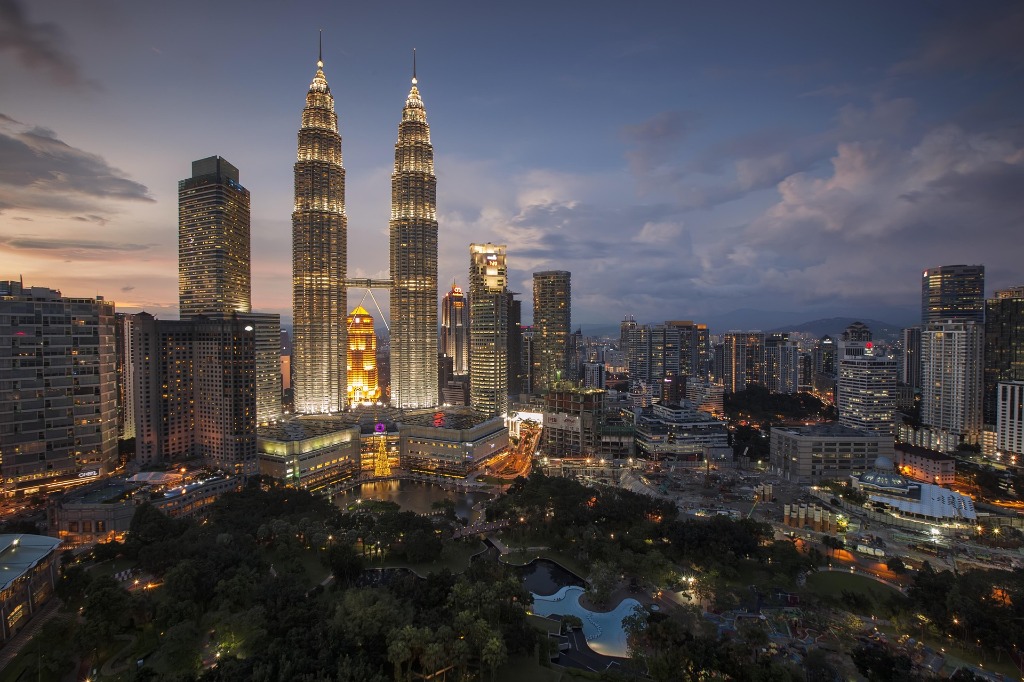
Kuala Lumpur

Our Kuala Lumpur Revenue Solutions:

  • MICE & Corporate Rate Strategy: Structured group and corporate rates that protect ADR instead of defaulting to blanket discounts.
  • Medical Tourism Packaging: Extended-stay rates and packages built around the booking patterns of medical tourism guests and their accompanying family members.
  • New-Supply Competitive Positioning: Live competitor rate tracking so your pricing holds up as new hotel stock enters the market.
  • OTA & MakeMyTrip-Style Channel Optimization: Visibility and conversion improvements across Booking.com, Agoda, Expedia, and Trip.com.
  • Direct Booking Growth: Reducing commission drag through a stronger direct channel.

Penang – Heritage, Leisure & Festival-Driven Demand

George Town's UNESCO heritage status makes Penang one of Malaysia's most visited leisure destinations — and one of its most seasonally extreme. Occupancy has been reported above 90% around Chinese New Year, while shoulder periods can be dramatically quieter. Independent boutique hotels here are competing for the same heritage-seeking travelers, often with flat, undifferentiated pricing that leaves peak-period revenue uncaptured.

Penang Heritage

Our Penang Revenue Solutions:

  • Festival & Peak-Period Yield Strategy: Rate tiers built specifically around Chinese New Year, school holidays, and regional event calendars.
  • Heritage & Boutique Positioning: Content and rate strategy that highlights what makes George Town's independent hotels distinct from branded competitors.
  • Shoulder-Season Demand Building: Targeted offers to smooth out Penang's sharp seasonal swings rather than deep discounting.
  • OTA Visibility for Boutique Properties: Ranking and conversion improvements on the platforms leisure travelers use to find heritage stays.
  • Length-of-Stay Optimization: Multi-night incentives during peak periods to maximize total stay value.

What We Achieve Together

  • Yield Captured During Peaks: Rates that flex upward ahead of known high-demand periods, instead of discovering the missed opportunity after the fact.
  • Resilience During New-Supply Pressure: A pricing position that holds up as more hotels open nearby.
  • Clearer Segment Economics: Visibility into which guest segments are actually driving your profitability.
  • Lower Commission Drag: A healthier balance between OTA and direct revenue.

The CRS Central Advantage in Malaysia

Operating from our Bangkok base, CRS Central brings the same institutional, five-star revenue discipline to Malaysia's independent hotels that international chains use in Kuala Lumpur and Penang — without the overhead of hiring an in-house team.

BANGKOK BASE KUALA LUMPUR & PENANG Malaysia Presence CRS Central Regional Reach Map
  • Regional Fluency: Direct experience across Southeast Asia's hospitality markets, applied specifically to Malaysia's demand patterns and OTA landscape.
  • Event-Aware Strategy: Pricing built around Malaysia's actual festival and conference calendar, not a generic template.
  • Fast-Moving Execution: Initial pricing recommendations within days of your audit, with implementation support from day one.
Book a Free Revenue Audit in Malaysia →